



Bring Circularity in the supply chain with LPR - La Palette Rouge

Sustainability at LPR – Building a Responsible Future

At LPR – La Palette Rouge, sustainability is at the very heart of everything we do. As a leading provider of pallet pooling solutions, we are committed to operating in a way that is environmentally responsible, socially conscious, and economically viable. Our mission is to create circular progress with our partners across Europe.

Find out how our solution can help you reduce your carbon footprint and how it contributes to the transition to a circular economy. The circular economy promotes the reuse of resources and moves away from empty or under-optimised transport.

CSR efforts recognized by ECOVADIS

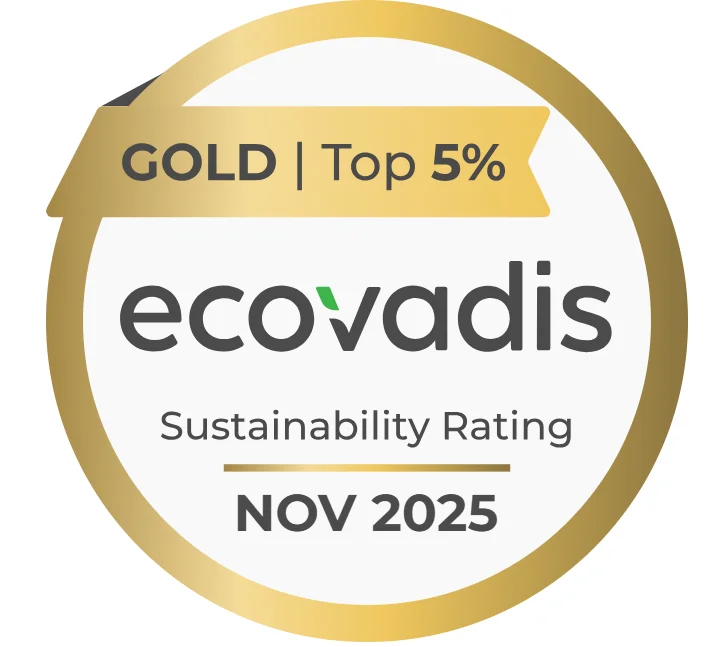
In 2025, LPR was awarded the Ecovadis gold rating, placing us among the top 5% of companies evaluated globally. This recognition highlights the strength of our environmental, ethical, labour, and supply chain practices. Our ongoing efforts to integrate sustainability into every part of our operation —from eco-design and repair of pallets, to optimised transport routes — demonstrate our determination to lead by example.

Click to view further details and methodology information about our EcoVadis recognition

Ecovadis Gold
138 M
pallet movements a year
147 +
service centres in Europe (sorting and repair of LPR pallets)
7 years
average life of a pallet
31500
tons of CO2 saved in 2025
31 %
CO2 per pallet delivered since 2017
100 %
of wood used PEFC certified by 2025
40 %
less CO2 emissions thanks to pallet pooling
70 %
less waste thanks to pallet pooling
ppwr page linked

PPWR: Driving Sustainable Logistics Forward

The upcoming Packaging and Packaging Waste Regulation (PPWR) reinforces our commitment to sustainability. By encouraging reuse, recyclability, and waste reduction, the PPWR aligns perfectly with LPR’s circular pooling model. As regulations tighten, our solution already offers a compliant, low-impact alternative to single-use packaging.

Find related informations here:


CO2 reduction simulator

Evaluate the CO2 savings you could achieve by switching from a pallet exchange system to pallet rental and management.

LPR team implementing CSRD-compliant sustainability reporting in logistics

Driving Impact with the CSRD

As part of our proactive approach to corporate responsibility, LPR aligns its strategy with the Corporate Sustainability Reporting Directive (CSRD). This European regulation reinforces transparency and accountability on ESG (Environmental, Social, and Governance) matters. LPR is already working to meet these requirements by reinforcing our data collection processes and sustainability performance indicators. We are committed to publishing transparent, verifiable, and impactful reports that reflect our concrete actions. CSRD principles are now embedded in our reporting culture, shaping our long-term sustainability roadmap.

Committed to Science-Based Targets (SBTi)

LPR is proud to be aligned with the Science Based Targets initiative (SBTi). This commitment ensures that our carbon reduction goals are consistent with the latest climate science and the targets of the Paris Agreement. Our roadmap includes:

  • Reducing our greenhouse gas emissions across Scope 1, 2, and 3
  • Partnering with customers and suppliers to decarbonise the supply chain
  • Transitioning our network towards renewable energy and low-emission logistics

By embedding SBTi principles into our corporate strategy, we are accelerating our transition to a low-carbon economy. Our commitment to SBTi reinforces our role as a leader in sustainable logistics.

Circular pallet pooling system supporting SBTi climate goals and carbon reduction
Sustainable supply chain practices at LPR including pallet repair and reuse cycles

Sustainability Across Our Value Chain

Our sustainability initiatives are embedded in the way we manage our pallet pool:

  • Use of wood from PEFC-certified sustainable forests
  • Repair and reuse cycles to extend pallet lifespan
  • Reduced transport distances thanks to our local service center network
  • Close collaboration with FMCG customers to reduce waste and carbon footprint

LPR’s circular economy model reduces environmental impact while helping partners meet their own sustainability goals. Transparency in line with CSRD, performance assessed by Ecovadis, and climate targets defined by SBTi ensure a robust and credible sustainability strategy.

Calculation of transport needs for our pallets.

Transport plan

We calculate and organise each pallet movement in order to better control them. We reduce the number of kilometres travelled thanks to the implementation of optimised, shared and multimodal transport plans.

Our pallets are made from PEFC-certified wood.

Responsible wood sourcing

We ensure that the wood used to produce and repair our pallets comes from forests that are managed in an environmentally and socially responsible manner. For that reason, we are certified PEFC Chain of Custody since 2010 (PEFC logo licence No: PEFC/10-31-1869 ). Check the LPR Wood Sourcing Policy for more information.

Route optimization for cost and environmental considerations.

Route optimisation

Transport represents an opportunity to reduce our greenhouse gas emissions by optimising the loading of our trucks, using the same carriers for inbound and outbound flows and in using multi-modal transport such as rail-road.

Our pallets are reused and repaired in our centers.

Reuse

Our pallets are reused and rotated several times a year. Returned pallets are checked, sorted and repaired before each new use. Our pallets have an average lifespan of 7 years, and we manage them until the end of their usable life. Pallets that are no longer repairable are recycled.

How do we reduce our carbon impact?

LPR’s goal is to reduce our carbon footprint per pallet movement by 20% by 2025.

Find out what actions have already been implemented to help achieve this goal.

Looking Forward

LPR is committed to sustainability by using PEFC-certified wood for its pallets. PEFC, the Programme for the Endorsement of Forest Certification, promotes sustainable forest management worldwide. By choosing PEFC wood, we support practices that ensure forests are responsibly managed, protecting biodiversity, preserving natural resources, and helping mitigate climate change. Our PEFC certification (PEFC/10-31-1869) reflects our dedication to sourcing wood responsibly, contributing to a more sustainable supply chain for our customers and the environment.

As we move forward, our sustainability goals remain ambitious and action-oriented. Whether through compliance with CSRD, recognition through Ecovadis, or science-based targets under SBTi, we remain committed to positive transformation. At LPR, sustainability is not only a responsibility—it’s a driver of innovation, performance, and shared value.

What do our experts say?