Supply Chain Resilience Through Pallet Pooling
Supply chain performance is at the heart of LPR’s mission to build more efficient, sustainable, and collaborative logistics systems across Europe.
Supply chain performance is at the heart of LPR’s mission to build more efficient, sustainable, and collaborative logistics systems across Europe.
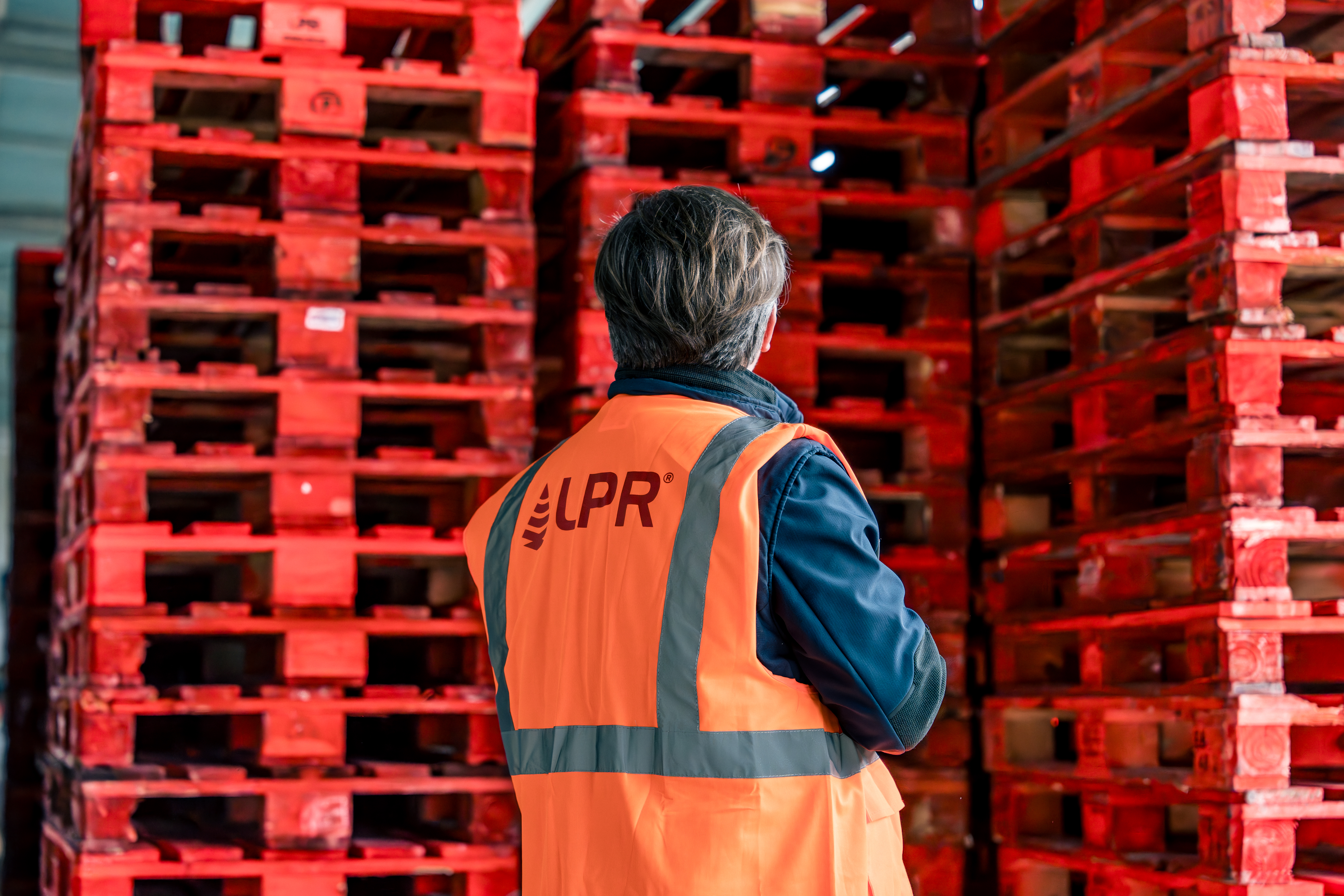

In today’s fast-paced logistics environment, businesses need a resilient and cost-efficient supply chain . Traditional pallet ownership often leads to inefficiencies, excess storage costs, and complex reverse logistics. Instead of managing outdated systems, companies are transitioning to a more agile and sustainable approach, the pallet pooling.
An advanced supply chain relies on seamless operation, reduced waste, enhanced scalability and a well-structured advanced supply chain ecosystem. With pallet pooling, businesses eliminate unnecessary investment in pallet stock while ensuring an uninterrupted flow of goods. This model provides immediate access to high-quality pallets while reducing administrative and logistical burdens. By integrating supply chain sustainability into operations, companies can further optimise costs and efficiencies. Implementing an advanced supply chain approach helps businesses meet modern logistics demands with flexibility.
The relevance of an advanced supply chain extends especially to sectors like FMCG and retail, where rapid replenishment, seasonal fluctuations, and wide distribution networks demand flexibility and responsiveness. These industries benefit greatly from a supply model that minimises waste, simplifies pallet tracking, and ensures consistent service quality across multiple touchpoints.
A sustainable supply chain model is no longer a luxury—it’s a necessity. As businesses strive to minimise environmental impact, reducing pallet waste and optimising transport efficiency play a crucial role. Unlike ownership models that result in excessive disposal and resource depletion, pooling aligns with supply chain sustainability goals by promoting reuse and circular economy principles.
With pooling, companies benefit from shared networks, ensuring pallets are optimally distributed, repositioned, and maintained for maximum lifespan. This eliminates unnecessary empty transport operations, cutting down on CO2 emissions and enhancing overall efficiency. Companies invested in an advanced supply chain recognise that pooling is essential to long-term logistics optimisation. Implementing a sustainable supply chain strategy also builds long-term brand trust and regulatory alignment.


An efficient supply chain and logistics framework relies on streamlined operations, precise inventory management, and on-demand availability of assets. Pooling directly supports these objectives by offering a scalable and flexible solution. Instead of struggling with the high cost of pallet ownership, businesses can focus on their core operations while benefiting from an adaptive, cost-effective, logistics model. Strong supply chain and logistics systems also support international expansion and service reliability.
By prioritising supply chain sustainability, pooling allows businesses to:
-Strengthen operational resilience against disruption
-Reduce pallet shortages and overstock situations
-Avoid hidden costs linked to maintenance and tracking
-Improve transport efficiency and lower environmental impact
With years of expertise in retail logistics, LPR is a trusted partner for leading retailers and FMCG manufacturers across Europe. Our innovative pooling solutions simplify retail distribution, enhance supply chain efficiency, and support sustainability goals. By choosing LPR, retailers and producers gain access to a scalable and cost-effective logistics solution that drives long-term success. Contact us today to learn how we can optimise your retail supply chain and improve your overall logistics performance.



Businesses looking for long-term supply chain optimisation should consider the advantages of pooling. This approach ensures operational agility, cost savings, and a reduced environmental footprint—all critical factors for long-term success. By integrating supply chain sustainability initiatives, companies can further enhance efficiency and reduce costs. A sustainable supply chain is a key pillar of responsible corporate growth.
Instead of managing pallets as a liability, transform them into assets by leveraging a sustainable supply chain model. By integrating pooling into your supply chain strategy, you enhance efficiency while optimising performance and profitability.
Discover how pallet pooling can revolutionise your operations—eliminating inefficiencies, improving sustainability, and future-proofing your supply chain and logistics performance.

September 16, 2025
September 3, 2025

September 10, 2024

September 3, 2024

August 6, 2024

Let us help you find the best solution for your business.