PPWR & Pallet Pooling: How LPR helps you comply - LPR

PPWR: Is Your Packaging PPWR-Proof?

The Packaging and Packaging Waste Regulation (PPWR) introduces new rules for packaging and packaging waste across the EU. By 2030, 40% of transport packaging must be reusable and by 2040 this increases to 70% (with exemptions). It also mandates the use of reusable packaging, with specific targets for transport packaging like trays and pallets. This means that FMCG companies, growers, and retailers may need to transition from single-use packaging to reusable solutions to comply with the PPWR. On this page, you will find all the information that you need to stay informed on the PPWR.

What is the PPWR and why is it crucial for your supply chain?

The PPWR (Packaging and Packaging Waste Regulation) is a new European regulation designed to transform how packaging and packaging waste are managed throughout their life cycle. For businesses operating across the supply chain, this regulation represents a major shift that must be anticipated now.

Starting from 12 August 2026, all companies placing packaging on the European market will need to comply with the new PPWR obligations. By 2030, all packaging must be recyclable, and by 2035, it must be recyclable at scale. The regulation also introduces binding targets for reusable transport packaging, including pallets, trays, and other logistics equipment.

PPWR: what it means for your organisation

The PPWR introduces new requirements for packaging across the European supply chain, with a growing focus on recyclability, waste reduction and reuse. Understanding how these changes may affect your packaging strategy is an important first step towards compliance.

Download our PPWR guide to learn more about the regulation, key timelines and what it means for your organisation.

How does the PPWR directly affect pallet users?

The PPWR imposes structural changes to how companies manage their transport packaging. Single-use wooden pallets, commonly discarded after delivery, will become problematic under the new requirements. To comply, businesses will need to adopt more sustainable systems focused on reuse, pooling, and traceability.

In this context, pallet pooling, a model where reusable pallets are made available and managed by an external provider like LPR is a key solution. This circular approach already addresses the future requirements of the PPWR by reducing packaging waste, optimising transport flows, and extending the life cycle of pallet assets.

How LPR helps you prepare for the PPWR

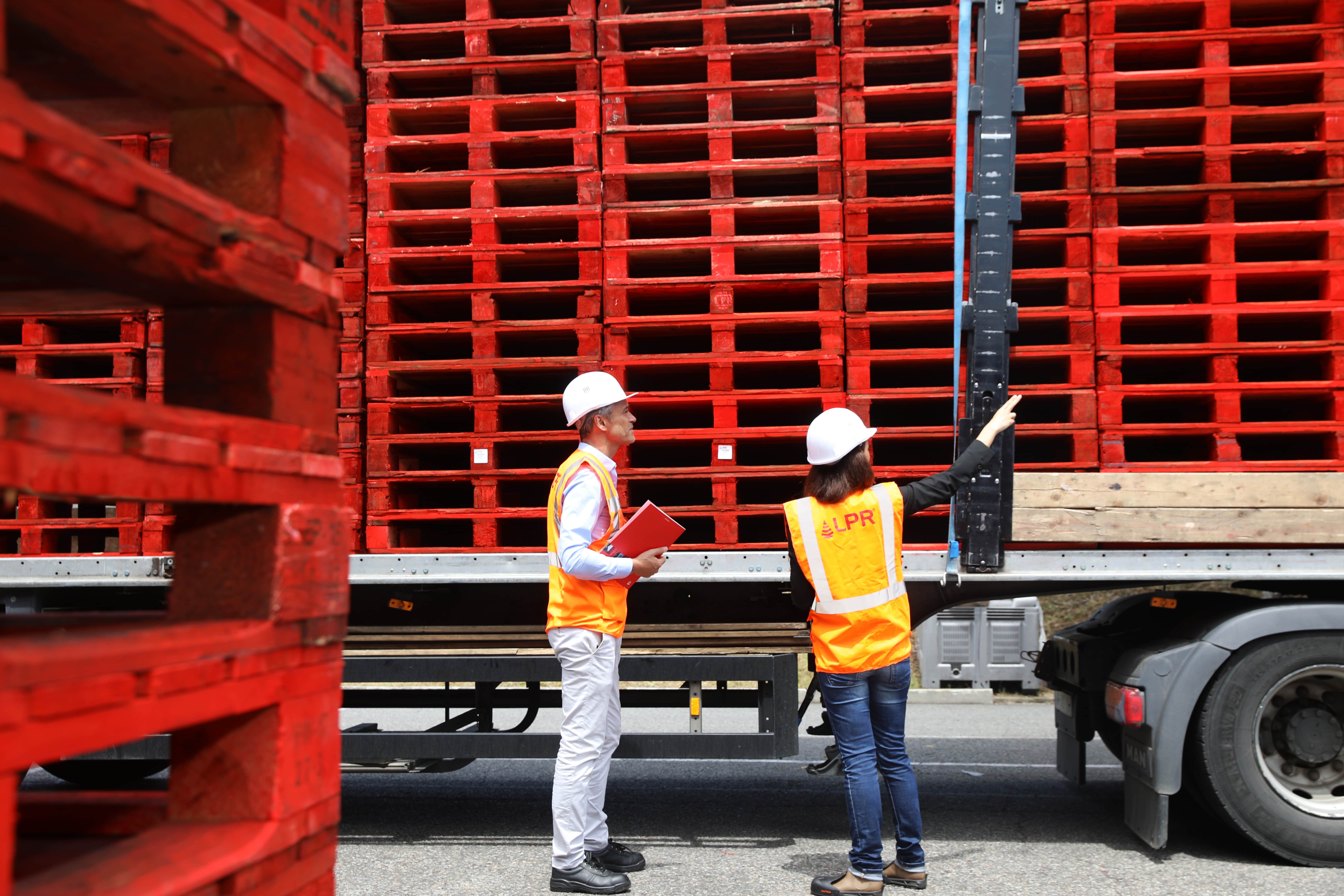
As a pallet pooling specialist for over 30 years, LPR offers a solution that is inherently aligned with the PPWR. Our pallets are designed for multiple rotations. We handle their collection, maintenance, repair, and reintegration into a large scale European network and reducing both waste and transport related emissions.

Our approach is built on three key pillars: reducing carbon footprint, streamlining logistics operations, and ensuring future regulatory compliance. By partnering with LPR, you gain access to a sustainable logistics model that meets the ambitions of the PPWR today.

As your partner in sustainable solutions, LPR is here to help.

We’ve created a comprehensive document that helps you understand this new EU regulation, and shows you how the PPWR can benefit your company.

Ppwr packaging

Why legislation supports reusable packaging

Packaging legislation like the PPWR is increasingly focused on reducing waste, improving resource efficiency and supporting circular business models. For many businesses, reusable packaging is becoming an important way to prepare for stricter rules on single-use packaging and packaging waste.

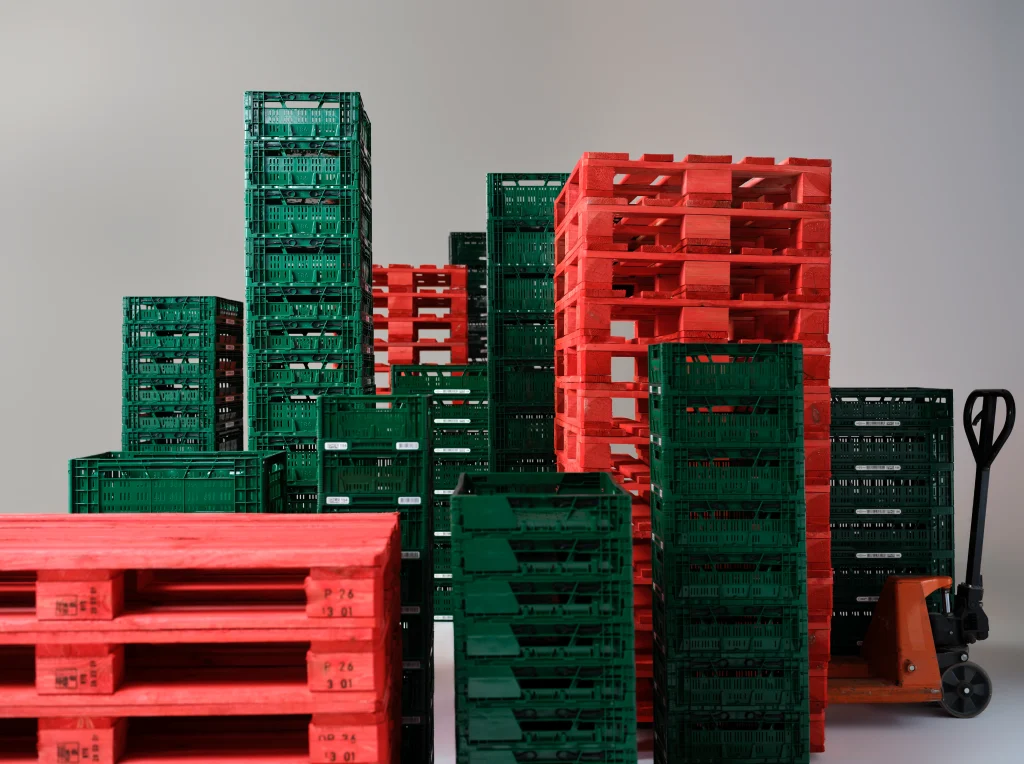
Reusable transport packaging is designed to stay in circulation. In a managed circular pooling system like LPR, pallets are collected, washed, inspected and returned to the supply chain for repeated use. At the end of their lifespan, they can be recycled responsibly, helping to keep materials in use for as long as possible.

For businesses in the FMCG supply chain, reusable packaging can support compliance while improving operational performance. A circular pooling model can help companies:

  • Reduce dependency on single-use packaging
  • Minimise packaging waste across operations
  • Lower waste handling and disposal costs
  • Improve efficiency through durable, standardised reusable pallets
  • Support ESG goals with measurable circular packaging solutions
  • Prepare for current and future packaging legislation, including the transition towards more reuse

At LPR, we help supply chains move towards reusable packaging solutions that are built for repeated use, designed for efficiency and aligned with the transition to a circular economy.

Declarations of Conformity

Download our Declarations of Conformity to see how LPR’s reusable packaging solutions comply with applicable PPWR requirements. These documents provide customers and partners with transparency regarding the conformity of our products with relevant EU packaging legislation, supporting informed decision-making across the food supply chain and helping to reduce packaging waste.

Manufacturer identification

Manufacturer: LPR Europe B.V.

Central postal contact address: Postbus 1887, 2280DW Rijswijk, The Netherlands

Electronic communication channel: info@lpr.eu

This contact information is provided in accordance with Article 15.6 of the Packaging and Packaging Waste Regulation (EU) 2025/40. This information applies exclusively to packaging and packaging formats for which the indicated entity acts as the ‘manufacturer’ under the legal definitions of the regulation. For assets within our pooling network that were not manufactured under our name or trademark, identification obligations may rest with the respective original manufacturer.